
By Conrad Mwanawashe
MANY people, particularly urbanites, take walking and cycling for granted.
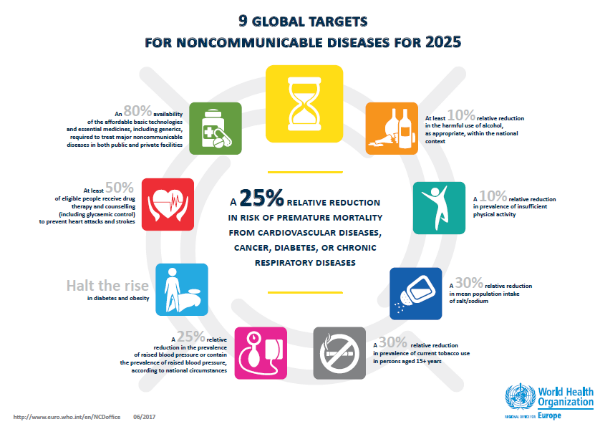
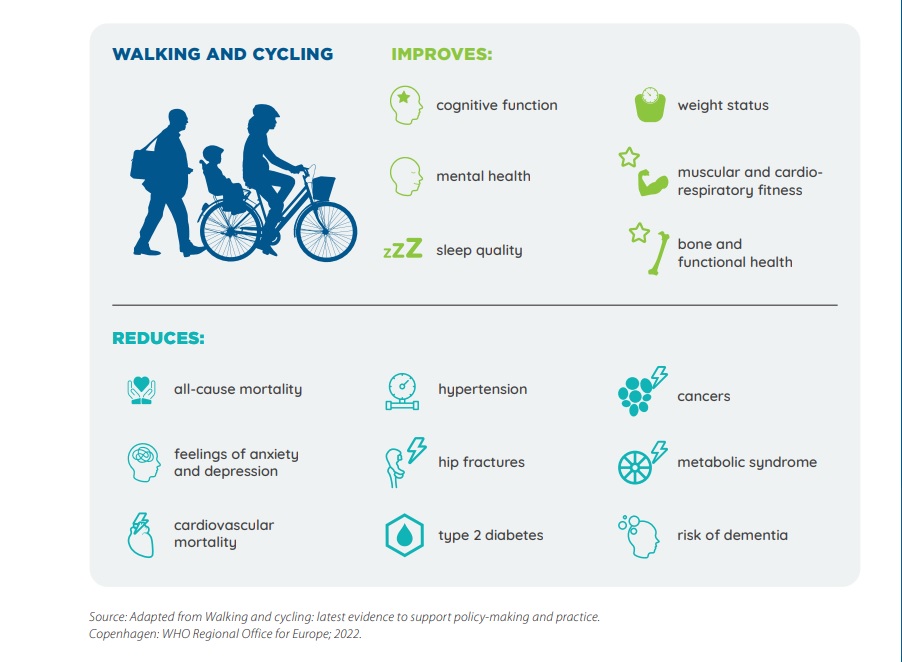
Yet, active mobility, including walking, cycling and active recreation, can help prevent and manage noncommunicable diseases (NCDs) which are causing an estimated 3 to 5 million premature deaths globally.
Science journalists heard during a Science Media Café on Health and Climate change, held recently, that, apart from preventing NCDs, such as heart disease, hypertension, stroke, diabetes and several cancers, walking and cycling as preferred modes of transport in national policies, strategies, and planning, support sustainable, low-carbon transport systems that can mitigate the impact of climate change and reduce dependency on fossil fuels.
The media science café was held under the theme: When the Earth Heats Up: Unpacking the Climate Change–Health Crisis in Africa.
The meeting, organised by Media for Environment, Science, Health and Agriculture (MESHA) explored the intersection of climate change and public health across African countries, with country-specific presentations from Malawi, Uganda, and Zambia. Key discussions centered on environmental challenges such as urban heat pollution, extreme weather events, and their impact on health systems and communities.
 Dominic Nyasulu, National Coordinator for the National Youth Network on Climate Change based in Malawi, told the science café about the broad link between climate change and NCDs.
Nyasulu noted that climate change is projected to have increasingly damaging effects on communities and economies over the coming decades, being set to cause several hundred thousand deaths annually by 2030.
At the same time, NCDs, including cancer, cardiovascular disease, chronic respiratory diseases, diabetes, and mental and neurological disorders are already responsible for 68 percent of global mortality – a proportion which continues to grow.
One of the approaches to address this challenge, according to Nyasulu, is “investing in active transport systems (cycling and walking)”.
Active mobility can also assist nations to achieve Sustainable Development Goals (SDG) targets particularly SDG 3.4 which targets the reduction of premature mortality – currently 41 million deaths per year – caused by NCDs, by one-third through prevention, treatment, and the promotion of mental health and well-being, as regular walking and cycling can increase levels of physical activity, contribute to the prevention of NCDs.
According to the World Health Organisation (WHO), recent analyses suggest that up to 500 million new cases of NCDs and mental health conditions could be prevented by 2030 through increased physical activity, potentially saving global public health systems up to US$ 300 billion.
Nyasulu’s recommendation resonates with SDG 3.9 which targets to substantially reduce deaths and illnesses from hazardous chemicals and air, water, and soil pollution and calls for increased adoption of walking and cycling as forms of clean mobility.
 The potential impact of walking and cycling on reducing car trips is substantial. For example, in many cities, despite 35–45% of all trips (by all modes) being within walking distance (around 2 km) or biking distance (around 3–5 km) (12, 13) most of these short trips are nevertheless made by motorised vehicles.
Replacing even a portion of these trips with walking or cycling could significantly reduce urban carbon emissions and contribute to global efforts to combat climate change, given that nearly a quarter of all carbon emissions come from vehicular transport.
Air pollution is a major health threat worldwide, responsible for millions of premature deaths each year. As walking and cycling are zero-emission modes of transport, more use of these modes for transport can contribute to improving air quality.
Respiratory Infections
Zambia reported 6,181 severe acute respiratory infections (SARI) in 2021, with an upward trend through 2024 (ZNPHI, 2022).
Fine particulate matter (PM₂.₅) and ozone cause airway inflammation, triggering and worsening asthma, bronchitis, COPD, and pneumonia.
Sentinel surveillance found influenza positivity rising from 6.5% in 2020 to 12.1% in 2024, especially affecting children under five, according to Mweetwa Mudenda, from Lusaka Apex Medical University.
 In a presentation on Urban Heat, Pollution, and Disease Burden in Zambia Mudenda said Zambia’s urban centres are experiencing an environmental shift that directly threatens public health.
Mudenda shared findings on urban heat islands and their consequences on respiratory health, water quality, and sanitation in Zambian cities and noted links between heat exposure and rising cholera cases, and called for better infrastructure planning.
“Rising temperatures, worsening air and water quality, and increased population density in informal settlements are converging to create a perfect storm for disease. But with smarter planning, integrated surveillance, and citizen engagement, cities like Lusaka and Ndola can lead the way in Africa’s fight against climate-sensitive disease,” said Mudenda.
Despite the benefits of walking and cycling, fewer than one-third of countries have national policies to promote them.
To fill that gap with practical, evidence-based guidance for policymakers, urban planners, health advocates and civil society, WHO developed a toolkit which is part of a series developed to help countries implement policies and practices to improve levels of physical activity, road safety, and urban health.
In particular, countries can use this toolkit to develop new policies and strategies to enable, promote and protect walking and cycling in cities and communities or to review and improve existing approaches.
“Targeting cities can significantly benefit climate and health due to high population density and the potential for comprehensive interventions,” said Nyasulu adding that advocacy should focus on municipal policymakers, including mayors and local councilors.
C40, a global network of nearly 100 mayors of the world’s leading cities that are united in action to confront the climate crisis, states that active travel, which is virtually carbon-free –does not emit harmful air pollutants and has the lowest environmental impact among all transport options.
“Urban infrastructure that supports active travel can replace millions of car journeys, directly reducing vehicle emissions and air pollution, which causes 8.1 million deaths annually. In most cities, around 35% of trips are under three kilometres and 50% are under ten kilometres – distances that can easily be covered by foot or bike,” according to C40.
Research shows that walking and cycling could reduce urban transport GHG emissions by 2–10%, making active mobility one of the most effective climate actions cities can pursue.