
By Conrad Mwanawashe
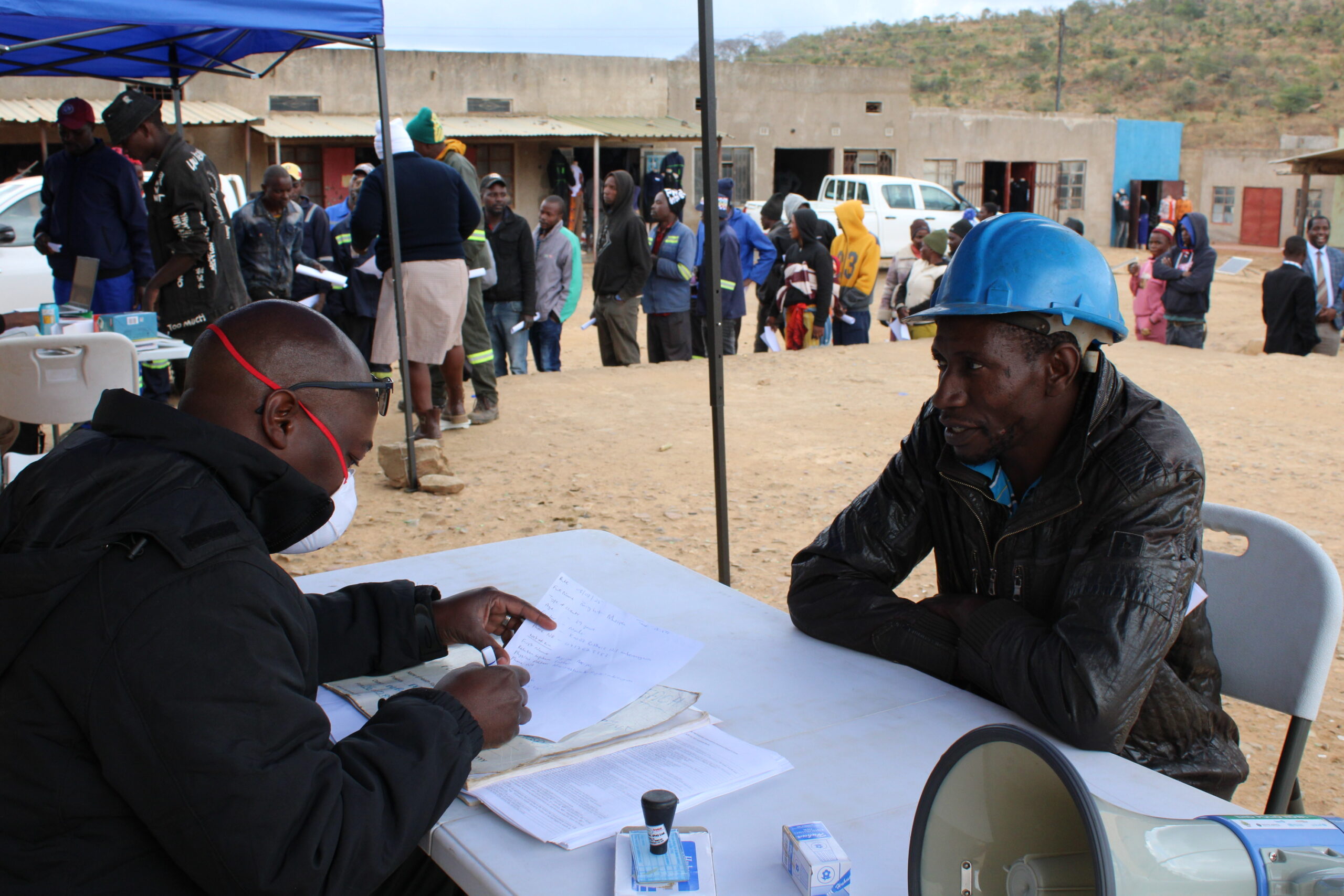 THE Union Zimbabwe Trust (UZT) is implementing an innovative, proactive, integrated, and community-focused TB screening project involving mobile outreaches at artisanal small-scale miners (ASM)’s workplaces during daytime and at social drinking points during evenings (moonlight screening), to promote early detection and treatment.
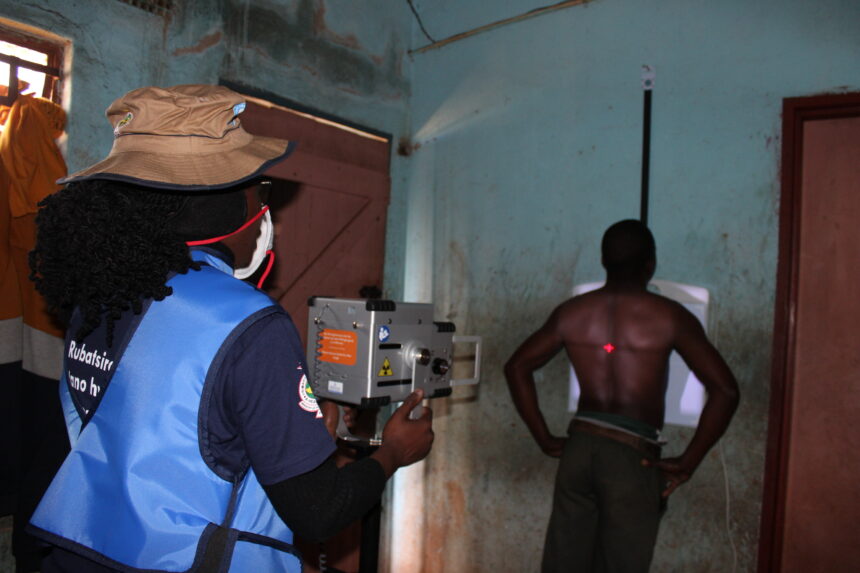
The TB Screening Outreach Programme, made possible with funding from the Stop TB Partnership (Global), comes with Ultra-Portable X-ray and Field Laboratory Testing in Mining Communities in Mberengwa and Zvishavane.
The two districts were selected due to their high tuberculosis burden and significant ASM activities. Interventions will be prioritised around twenty-five health facilities’ catchment areas across the two districts.
Furthermore, screening will be done at primary healthcare facilities where access to X-ray services is currently limited.
 UZT Executive Director, Dr Ronald Ncube said that, traditionally, TB screening relied heavily on individuals with symptoms voluntarily presenting themselves at health facilities for diagnosis and treatment, an approach that often misses high-risk populations who face barriers to accessing care, such as ASMs, people in remote communities, or individuals struggling with co-morbid conditions such as alcohol use disorders or malnutrition.
“What sets this model apart, is its integration of TB screening with services for silicosis, malnutrition, and alcohol-use disorders, offering comprehensive care closer to where people live and work.
“By shifting from a passive, facility-based and disease-specific model to a proactive, integrated, and community-focused approach, the project is designed to catch more cases earlier and improve linkage to timely and appropriate care,” Dr Ncube said.
He was addressing the inaugural screening outreach at Vanguard Business Centre, a small and busy mining community in Mberengwa District recently.
Dr Mary Muchekeza, Midlands Provincial Medical Director, described the project as a game changer project in the diagnosis of TB and Silicosis particularly in settings like mining communities targeting artisanal miners and ex-miners.
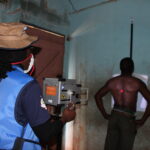
“I am aware that, as miners you are very busy – that is why we have come to you, with an x-ray and if you are asked to submit sputum for testing, it will be done here. This reduces the amount of time people previously had to endure, thus, ensuring people get treatment and care much faster,” said Dr Muchekeza.
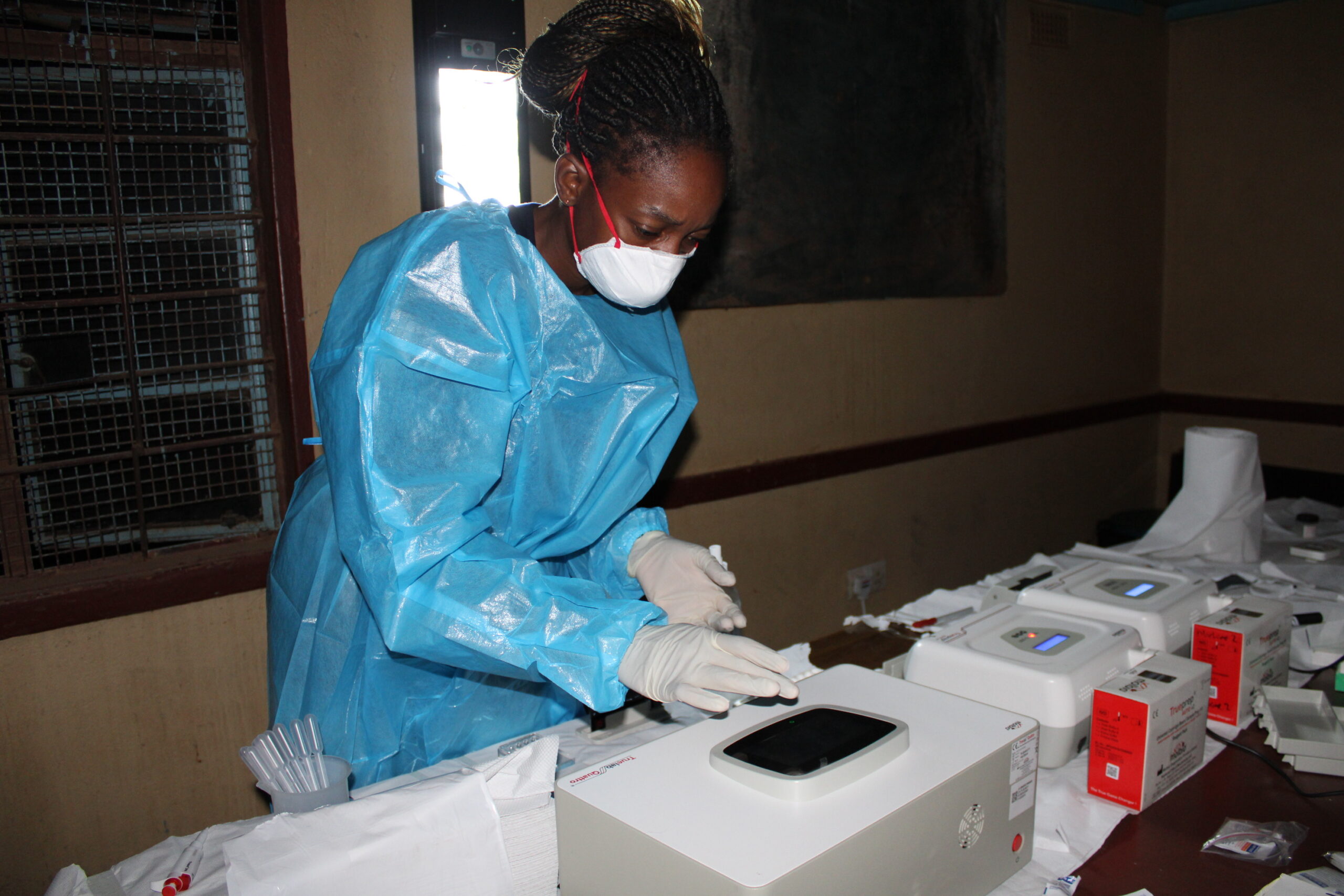
 The project, has adopted a mobile model approach, and provides portable sensitive TB screening methods using an ultra-portable digital x-ray enabled with CAD-AI (Computer Aided Diagnosis) that allows real-time interpretation of clients’ x-ray images for abnormalities suggestive of TB and Silicosis.
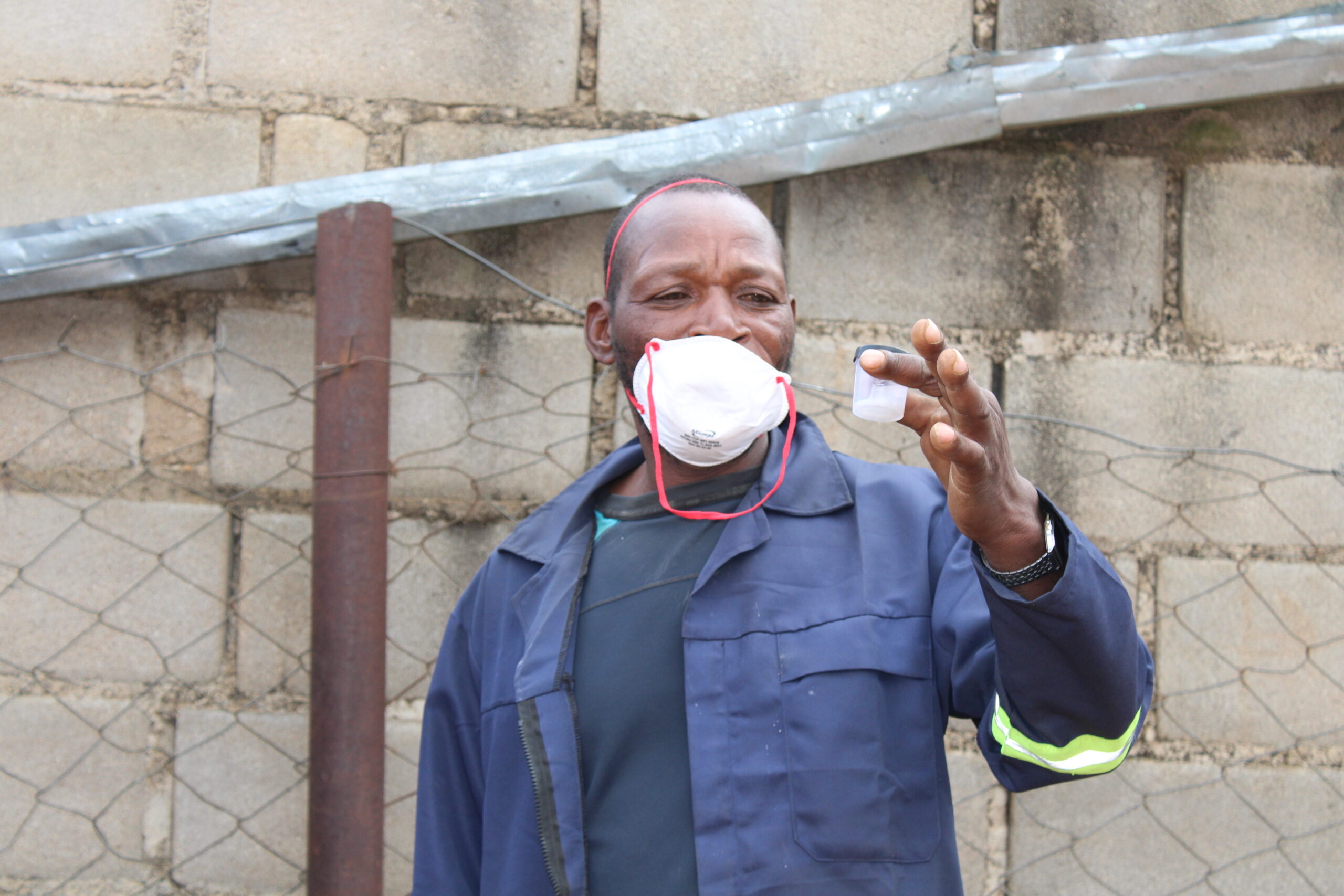
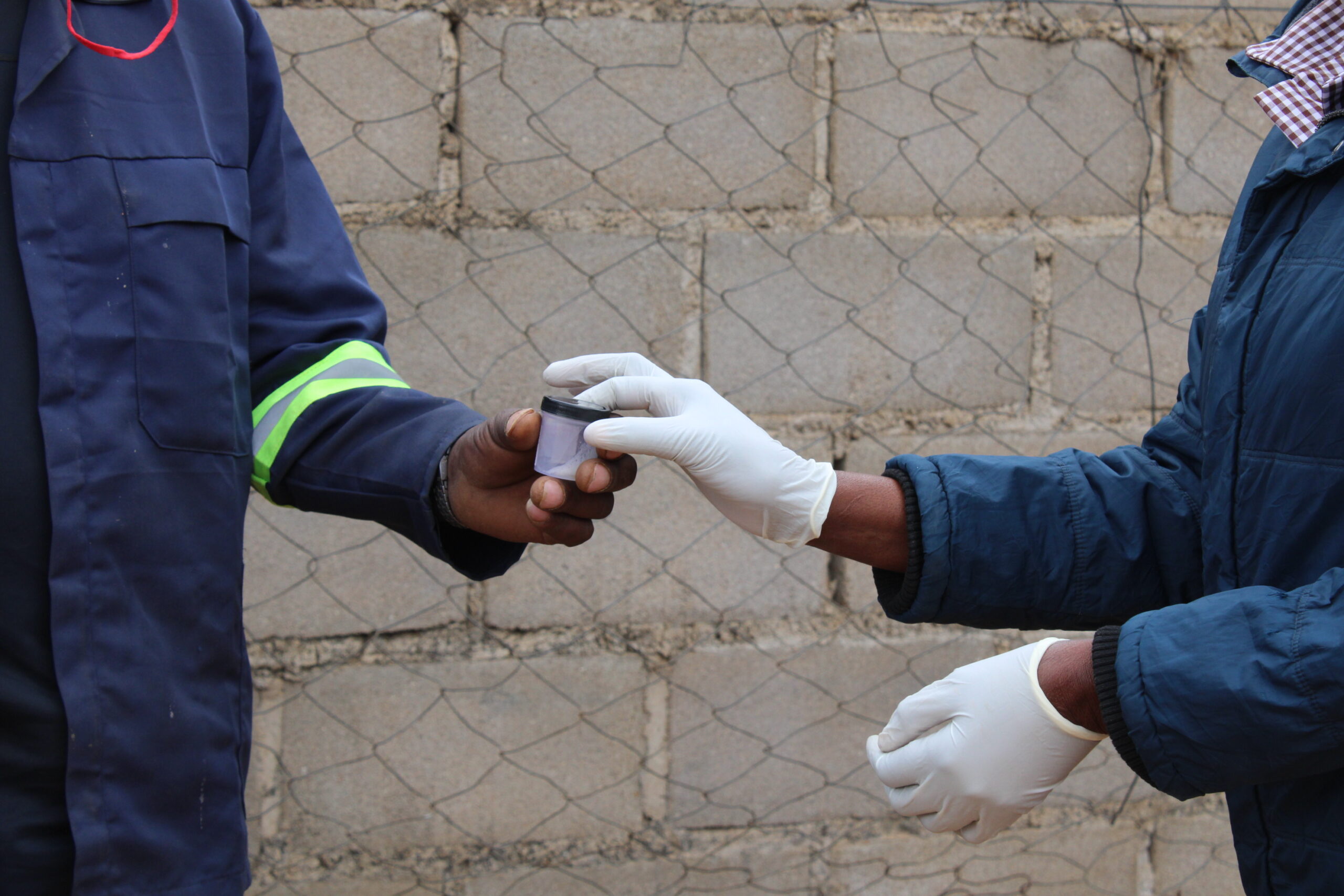
It also includes rapid, field specimen testing for diagnosis as well as integrated service delivery for other conditions such as silicosis, malnutrition and alcohol-use disorders closer to the point of need.
A collective 270 community and health care workers were trained across five clusters and twenty-five health facilities respectively, equipping them to support community screenings, outreaches and provision of essential health services.
In Mberengwa, Vanguard and Neta business centres, B-mine and Mberengwa Turn-Off were covered while in Zvishavane, Gudo and Vugwi clinics, Samanye, Canada 64, Dhibha and Zuderburg mining areas were covered.
 Out of 999 clients screened by symptoms, 925 received X-rays, and 271 specimens were collected and processed. These comprehensive screenings led to 10 individuals diagnosed with TB alone, 6 with Silicosis, and 4 with both Silicosis and TB (Silico-TB), highlighting the critical need for integrated diagnostic approaches.
“We are happy to be one of the districts selected to implement the project. It is an opportunity to improve on TB case finding in our communities. This programme, due to the nature of its approach, will empower communities in the fight against TB, bringing us closer to a TB-free Zimbabwe,” said Nkulumo Ncube, Zvishavane District TB and Leprosy Coordinator.
About UZT
The Union Zimbabwe Trust is a scientific organization with a mandate to improve health among marginalized communities in Zimbabwe. UZT exists to promote innovative public health solutions by developing, implementing and evaluating tuberculosis, lung health and non-communicable disease programmes within the framework of national public health priorities in Zimbabwe.