
HARARE— Zimbabwe’s national health program is accelerating a high-stakes pivot to Artificial Intelligence (AI) to combat a persistent Tuberculosis (TB) crisis, hoping technology can close a critical diagnostic gap that saw an estimated 15,000 cases missed last year.
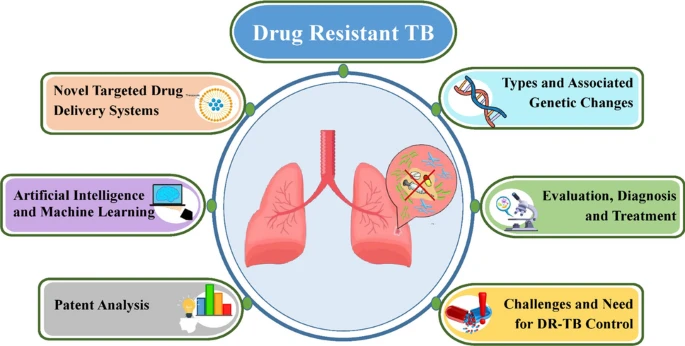
The move, announced by Dr. Owen Mugurungi, Director of AIDS and TB Programmes, comes as the country faces a “persistent challenge of Drug-Resistant TB” and a reduction in global donor funding that has already forced a key partner to issue a stop-work order on essential quality assurance activities.
“Most critically, we estimate that approximately 15,000 TB cases were missed last year. These are mothers, fathers, and children in our communities who are undiagnosed and continuing to transmit the disease,” Dr. Mugurungi stated. He called this “missing thousands” gap the “single greatest challenge and our most significant opportunity.”
AI-Assisted X-rays to Revolutionize Screening
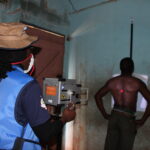
To address this crisis, the government is placing a major bet on advanced diagnostics. The core strategy under the pillar of “Innovation” involves “exploring the potential of AI-assisted digital X-rays to revolutionize our screening capabilities.”
The AI systems would analyze chest X-rays with speed and precision, offering a rapid triage tool for high-volume settings and remote mobile screening campaigns. This is intended to supplement the national diagnostic network, which currently operates 188 GeneXpert machines used for rapid molecular testing.
Dr. Mugurungi emphasized that the goal is to move “from piloting new tools to scaling them up integrated into our core services,” which also includes introducing shorter, more patient-friendly drug regimens and new tools like stool sample diagnostics for childhood TB.
Progress and Financial Threats
The push for innovation is built upon recent progress. TB case notifications rose to 20,189 in 2024, up from 19,545 in the previous year, suggesting intensified case-finding efforts are bearing some fruit. However, this progress is threatened by severe financial instability.
The Director explicitly detailed the impact of donor funding reduction, warning that a recent stop-work order from a partner “halted critical activities like supportive supervision, DR-TB meetings, and external quality assurance for our laboratories.”
This vulnerability underscores the program’s call for “Sustainable Financing,” urging frank discussions on domestic funding and public-private partnerships. The report warns, “We cannot build a resilient TB response on unpredictable, external funding alone.”
Beyond financing and innovation, the national response remains committed to a “Person-Centered-Care” approach, focusing on reducing catastrophic costs associated with TB and fighting the widespread stigma that prevents timely care seeking.
The outcome of Zimbabwe’s move to AI and its success in securing sustainable financing will determine whether the nation can break the chain of transmission and meet its ambitious target of ending TB.